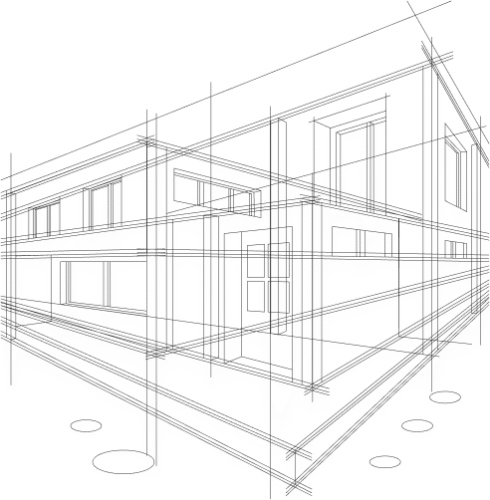
Interior design is constantly evolving, driven by changing lifestyles, technological advancements, and a growing focus on functionality and sustainability. Today’s modern interiors are no longer defined solely by aesthetics—they are designed to enhance comfort, efficiency, and overall user experience. Smart design trends are shaping spaces that are adaptable, innovative, and tailored to the needs of modern living and working environments.
The Rise of Multifunctional Spaces
As spaces become more valuable, designers are embracing flexible layouts that serve multiple purposes. Open-plan designs, modular furniture, and adaptable room configurations allow interiors to evolve with changing needs. Whether in homes, offices, or commercial environments, multifunctional spaces maximize usability without compromising style.
This trend reflects the growing demand for interiors that support productivity, collaboration, and everyday convenience.
Technology Integration in Interior Design
Smart technology is becoming a key element of contemporary interiors. Automated lighting, climate control systems, smart security solutions, and integrated entertainment systems are enhancing both comfort and efficiency. These innovations allow users to personalize their environments while improving energy management and operational performance.
The seamless integration of technology is helping create spaces that are intuitive, connected, and future-ready.
Sustainable and Responsible Design
Sustainability continues to influence modern interior design. Designers are increasingly selecting eco-friendly materials, energy-efficient systems, and sustainable construction methods to reduce environmental impact. Natural materials, recycled products, and low-maintenance finishes are becoming popular choices for creating healthier and more responsible living environments.
Sustainable design not only benefits the environment but also contributes to long-term value and operational efficiency.
Natural Elements and Biophilic Design
Modern interiors are increasingly incorporating natural elements to create healthier and more inviting spaces. Large windows, indoor plants, natural textures, and organic materials help strengthen the connection between people and nature. Biophilic design promotes well-being, improves indoor air quality, and enhances overall comfort.
This approach creates calming environments that support both physical and mental wellness.
Conclusion
Smart interior design is transforming the way people experience spaces. By embracing innovation, sustainability, and thoughtful planning, modern interiors can achieve the perfect balance between beauty and performance. These emerging trends are redefining how spaces are designed, ensuring they remain functional, inspiring, and relevant for years to come.